

In many operational environments, the central question is not simply what a site looks like, but what has changed since the last inspection. By comparing repeat surveys over time, operators can identify gradual deterioration, displacement, environmental effects, or emerging anomalies earlier and with greater consistency than ad hoc visual review alone.
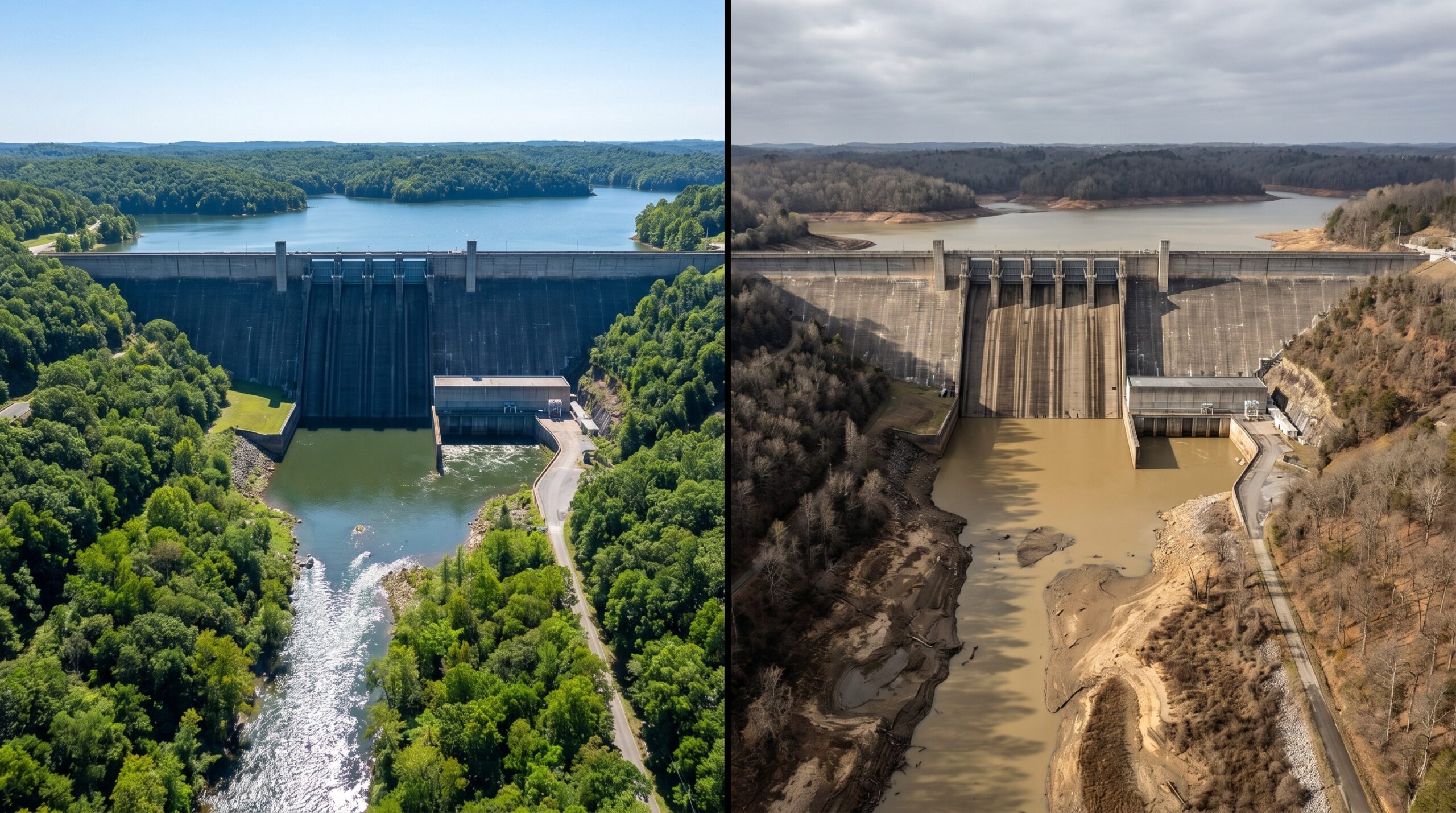
In infrastructure monitoring, a single inspection rarely tells the full story. The more important question is often whether a condition has changed since the last observation, and whether that change is significant enough to justify further action. This is where repeat survey and comparison become operationally valuable.
Why repeat comparison matters
Many changes develop incrementally. Surface wear, displacement, erosion, settlement, vegetation spread, and local damage may not appear critical in isolation, but become meaningful when viewed against a previous baseline. Monitoring that supports structured comparison is therefore more useful than one-off visual capture without temporal context.
Establishing a baseline
A baseline survey provides the reference point against which later observations can be assessed. To make comparisons useful, survey routes, viewing logic, and documentation practices should be sufficiently consistent from one mission to the next. This allows operators to distinguish meaningful change from variation caused by inconsistent capture.
From observed difference to operational action
Change detection is not valuable because it produces visual contrast, but because it helps organisations decide what requires attention. Where repeated surveys reveal alteration in terrain, structure, access, water behaviour, or site condition, the result can support inspection prioritisation, escalation, and more focused follow-up. In this sense, change detection strengthens early warning and improves the practical value of monitoring data.